
Rethinking SEO Strategy: How AI Overviews Are Changing Search Traffic Patterns
TL;DR
- AI overviews reduce clicks and push visibility to big brands, shrinking traffic for smaller sites.
- Shift SEO to win mentions and short-answer placements while diversifying channels and metrics.
- This approach preserves leads and revenue by making traffic and ROI less dependent on organic clicks.
What exactly is shifting in search behavior and why it matters
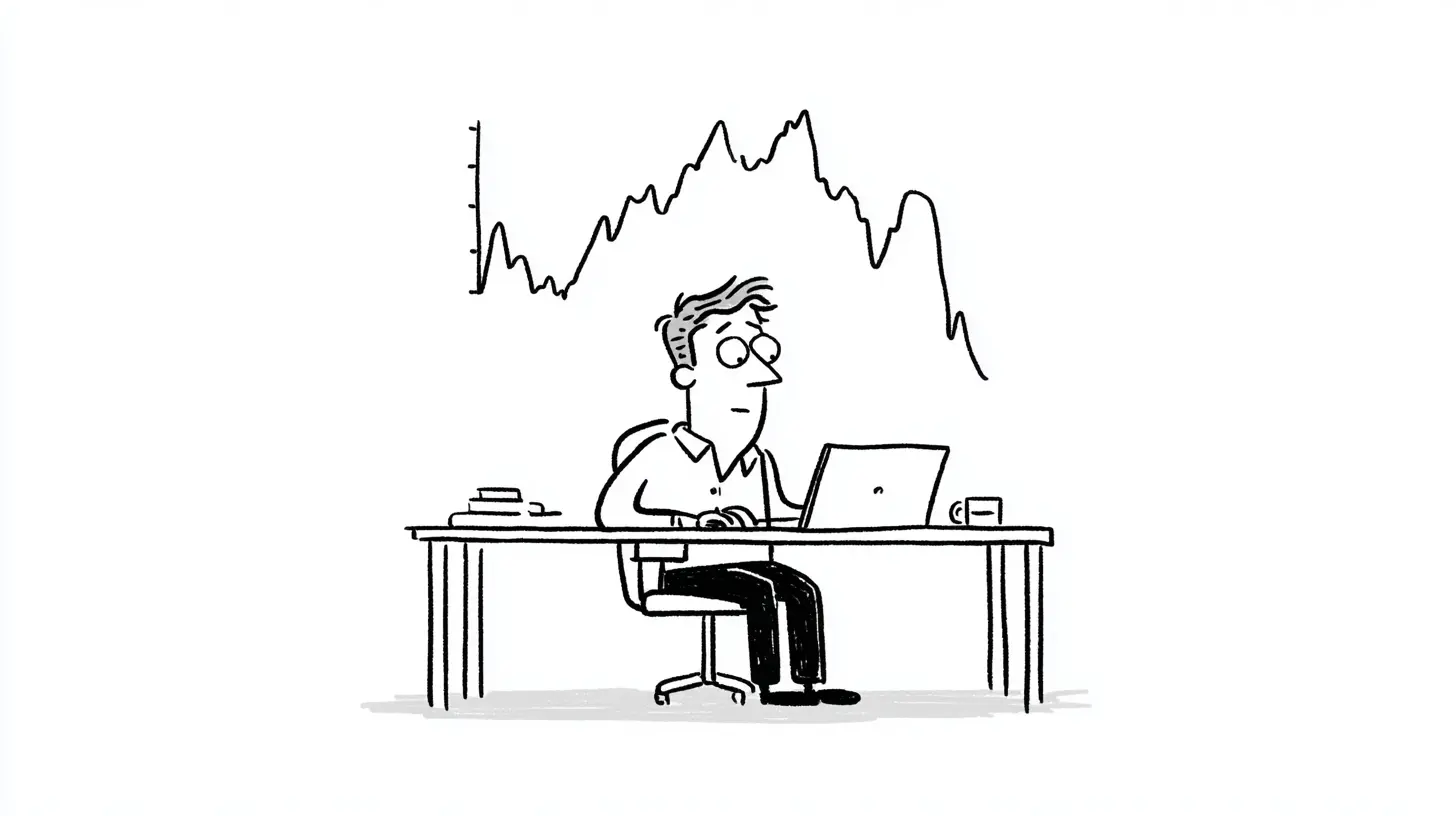
Search used to be a pipeline that sent visitors from query to site. Now, generative models often summarize and answer queries inside the search experience, meaning fewer people have to click through to read your long-form pages. You still get visibility in the form of mentions or snippets, but that visibility doesn't always translate into visits, leads, or signups.
This change has concrete implications for your marketing math. If last year you expected a reliable stream of organic sessions for every published piece, now you have to account for lost clicks and shorter attention windows. Revenue models built on predictable organic traffic need contingency plans and alternative channels to replace the clicks that used to sustain them.
Search engines and chatbots are also learning to prefer consolidated, high-authority sources. That means new sites or small startups find it harder to rank as a primary citation in AI responses, especially for broad topics. You can still capture attention, but you have to be strategic about what kinds of pages are worth optimising and how you repurpose your content across platforms.
A practical place to start is to audit which pages used to drive direct traffic and which now mainly earn impressions or snippets. That helps you decide where to double down, where to reformat content for snippet-friendly consumption, and where to convert impressions into followers off-platform.
The mechanics: how AI overviews are changing SEO at a technical level
AI overviews rely on large datasets and ranking signals to assemble concise answers. Instead of scoring pages purely on keywords and backlinks, engines are combining multiple sources, summarizing content, and presenting a single synthesized answer. That changes the value proposition of a typical informational page.
Long posts that once earned thousands of clicks may still appear as sources for an overview but get buried behind the generated answer. That means the content's role shifts from traffic driver to credibility proof, useful for branding and authority, but less reliable for direct acquisition.
Technical SEO still matters: structured data, clear headings, and topical depth help models find and use your content. But you also need content designed to be quoted, not just scanned. Short, quotable explanations, clear definitions, and concrete examples increase the chance that your page becomes a cited source inside an AI overview rather than just background noise.
If you want step-by-step help turning existing posts into quote-ready pieces, learn more about how AI overviews are changing SEO and which angles work best for founder-led content.
What brands and publishers are doing; signals you can copy
Big brands are becoming default sources for AI answers because of their backlink profile, domain authority, and content breadth. You're competing against sites with decades of content and huge technical SEO budgets. That doesn't mean you lose; it means you have to be more selective about what you publish and how you present it.
Successful publishers are doing three things differently:
- they optimize for citations,
- create distinct founder-led POV content,
- and build audience channels outside search.
Optimizing for citations means producing short, factual, and authoritative sections within longer pieces that an AI can quote verbatim. Founder-led POV content gets attention because it offers a unique angle AI can’t easily synthesize from other sources.
Building channels outside search: email, LinkedIn, niche communities, reduces the reliance on search clicks. If AI gives users a concise answer, your job is to convert impressions into follower relationships that you own. Consider repurposing your long-form into LinkedIn posts, short newsletters, and micro-guides that pull readers back to your site or sign-up list.
If you want examples, discover how our platform can help you create founder-first blog posts and LinkedIn copy that convert despite fewer search clicks.
Tactical playbook: three practical shifts you should make now
You need a tactical response that doesn’t rely on "more content" as the default. Focus on three shifts: make pages quoteable, harvest attention off search, and measure differently.
-
Make pages quoteable:
- Add short, boxed definitions or "What this means" blurbs that AI can extract.
- Use explicit data points and cite sources; models favor verifiable facts.
- Include succinct takeaway bullets at the top of long posts.
-
Harvest attention off search:
- Turn one long post into a week of LinkedIn posts, a one-page guide, and an email sequence.
- Use founder-first storytelling to capture attention where algorithms don't dominate.
- Create gated experiences that convert impressions to owned contacts. (i.e. sign up for more)
-
Measure differently:
- Track impressions and citation mentions, not just clicks.
- Monitor follower growth and newsletter signups as leading indicators.
- Run small A/B tests: does a quoteable paragraph increase citations? Does a founder post lift LinkedIn followers?
Each of these tactics has simple execution steps and measurable outcomes. For instance, a "quoteable paragraph" test might involve rewriting the intro of five pages, watching citation frequency in two weeks, and comparing impressions versus baseline.
Where your content still wins and what to stop doing
You're not powerless. Some content types still drive clicks and conversions reliably, and others are expensive relics with diminishing returns. Knowing the difference saves you time.
Content that still wins:
- Deep technical tutorials that require step-by-step guidance.
- Original research or data that an AI can't synthesize without citing you.
- Niche, high-intent product pages where the user expects to click through.
Content to stop treating as a traffic machine:
- Thin, broadly framed listicles that compete directly with large authority sites.
- Evergreen "what is X" posts that AI can summarize in a sentence.
- Long, meandering posts without clear headers or quoteable lines.
Re-purpose the latter into distributed formats instead of relying on search. For example, pull the key insight from a broad listicle and turn it into a founder anecdote for LinkedIn; the human voice often performs better on social than AI-generated summaries.
Quick checklist for updating your content stack (use this as your to-do)
Start with an audit, then prioritize. The checklist below helps you triage what's worth fixing first and what to shelve.
-
Audit:
- List pages that lost 30%+ clicks in the last 3 months.
- Identify pages that still rank but primarily earn impressions.
- Mark pages with unique data or original research.
-
Prioritize:
- Fix product and high-intent pages first.
- Turn unique-data pages into lead generators.
- Convert impression-heavy pages into quoteable resources.
-
Execute:
- Add boxed summaries and concise takeaways.
- Create one LinkedIn version and two email snippets per post.
- Track citations and follower growth weekly.
This checklist is meant to be used again and again. If you want to speed things up, Start Your First CopyBeat and turn one idea into a week of posts in minutes.
How to think about attribution, citations, and trust signals
If AI overviews are changing which sources get cited, your goal becomes building trust signals that make your content a credible citation. That doesn't always mean chasing domain authority; it means being the best, cleanest source for your niche question.
Practical trust signals you can add:
- Clear author bios and credentials on posts, especially for technical or niche topics.
- Inline citations to primary sources and original data.
- Timely updates and versioning for articles that change over time.
You should also embed micro-answers that summarize complex topics in one or two sentences, because AI systems love short canonical explanations. These micro-answers increase the chance your page becomes the go-to citation for a given query.
Finally, be deliberate about linking. Linking to respected sources increases the chance AI uses your page as a middle node when composing answers. That sounds counterintuitive, but building a tidy web of reliable connections makes your page more likely to be included in synthesized responses. You see how we linked to Semrush here. ;)
Frequently Asked Questions
Why are AI overviews taking clicks away from my site?
AI overviews synthesize answers inside the search interface so users often get what they need without visiting a site. That reduces click-through rates but can increase brand awareness through impressions and citations. You should consider tracking both impressions and citations as indicators of visibility.
Will producing more content fix the drop in organic traffic?
No, not by itself. Quantity without format changes is less effective today. Focus on converting your best content into quoteable assets, founder-led narratives, and off-search channels instead of publishing more thin posts.
Is AI-generated content the problem? Should I stop using AI?
AI is a tool. The problem is generic AI outputs and over-optimization for old ranking signals. Use AI to scale founder-voice drafts and templates, then edit for authenticity. Tools that give founder-focused prompts tend to produce more human-feeling copy that you can tune quickly.
How do I measure ROI when clicks are down?
Shift metrics to include follower growth, newsletter signups, demo requests, and citation frequency. Track how impressions convert into owned attention over time, and run pilots to test cadence versus results.
Can small sites still beat big brands for citations?
Yes, when you offer unique data, a strong author voice, or niche expertise. Small sites win by being the clearest, most precise sources for specific queries. Prioritize niche depth over broad coverage.
What are quick wins I can implement this week?
Add boxed summaries to your top five traffic pages, repurpose one post into three LinkedIn snippets, and set up a simple impression-and-citation tracking sheet. Those moves give you early signals without a big investment.
Final practical step and where to start next: How AI Overviews Are Changing SEO and what you can do
You're facing a structural change, but you can respond with focused tactics that grow owned attention, not just search traffic. Make your content quoteable, repackage long pieces into social-first posts, and measure follower growth alongside impressions. Those adjustments help you adapt to how AI overviews are changing SEO and ensure your work still drives meaningful outcomes.
If you want an easier way to create SEO-optimized blogs for the AI search era, and turn each one into ready-to-post LinkedIn content, check out CopyBeats. Start using the tool and get your next blog and LinkedIn batch done in minutes.
Sources
- Google Search Generative Experience announcement - Notes on how Google is integrating generative answers and the implications for click-through behavior.
- Semrush: Overcoming AI-related traffic loss - Practical tactics for publishers dealing with AI-driven traffic changes.
- a16z: Geo over SEO - Analysis of how new search paradigms shift visibility toward different kinds of signals.
- Entrepreneur: How generative AI is changing SEO - Perspectives on the long-term implications of AI-generated search answers.